Colonial Williamsburg Guide — What to See, Tickets & Tips
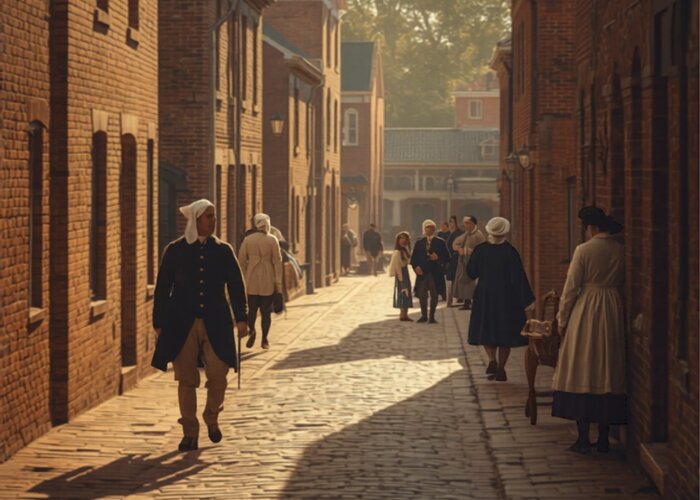
Colonial Williamsburg is not a museum—it’s a recreation. The entire colonial-era town (144 acres) is rebuilt and managed to feel like the 1700s. Interpreters in period clothing inhabit the buildings, explaining how people lived, worked, and governed. It’s immersive and detailed in ways traditional museums aren’t.
The site is in Williamsburg, Virginia, about 50 miles southeast of Richmond. Plan for a full day minimum; two days is better if you want depth.
Quick Facts: Admission is $35–50 per day depending on ticket type. Most buildings are included. Dining and shopping incur extra costs. The site is open 8:30 AM–10 PM, but indoor buildings close around 5 PM. Spring (April–May) and fall (October) are best for crowds and weather.
Ticket Types & Pricing
Colonial Williamsburg Admission Pass
Gives you access to all trade buildings and historic sites.
- 1-Day Pass: $35–45. Covers one calendar day.
- 2-Day Pass: $55–65. More economical if splitting the visit.
- Annual Pass: $125. Worth it if you live within 100 miles and can visit multiple times.
What’s Included: Entry to all buildings (Governor’s Palace, Capitol, Bruton Parish Church, taverns, craftspeople buildings), live interpretation, tours, and demonstrations.
What’s Extra: Dining, shopping, and special programs (guided ghost tours, evening tavern experiences) cost additional.
Who Gets Discounts:
- Children ages 6–17: $25–30 per day.
- Children under 6: Free.
- Virginia residents, military, AAA members: Small discounts (10–15%).
Best Deal: If doing multiple days or visiting with kids, multi-day or annual passes make sense. Most first-time visitors can do the highlights in one full day.
Key Buildings & What to Expect

The Governor’s Palace
The centerpiece. Built in 1705. Governor’s residence and seat of power. If you do one building, do this.
What You’ll See: The grand house filled with period furniture, art, and artifacts. Ornate parlors, elegant dining room, private chambers. Living history interpreters explain life in the 1700s.
Time to Spend: 45 minutes–1 hour depending on how engaged you get with the interpreters.
Highlights: The formal garden (separate from the house, included in admission). The kitchen building out back. The stables.
The Capitol
Where the House of Burgesses (colonial legislature) met. Less lavish than the Palace but equally important historically. This is where American democracy began.
What You’ll See: The brick building, courtroom, legislative chambers. Interpreters reenact debates and explain the governmental structure.
Time to Spend: 30–45 minutes.
Highlights: The courtroom, where trials are reenacted during the day.
Bruton Parish Church
Operating Anglican church since 1715. Unlike the other buildings, this is a real, active church (not a reenactment).
What You’ll See: The interior (pews, altar, balcony, bell tower), graveyard with colonial-era tombstones. Quiet, peaceful.
Time to Spend: 20–30 minutes.
Highlights: The graveyard is atmospheric. Many important colonial figures are buried here. The interior is simple but elegant.
Note: Services still happen on Sunday. If visiting a Sunday, you can attend service or tour before 10 AM.
The Raleigh Tavern
Reconstructed tavern (the original burned). The social center of colonial Williamsburg. Interpreters serve food and drinks (20th-century prices, colonial recipes).
What You’ll See: Common room (like a bar), private dining rooms, tavern kitchen.
Dining: You can eat here (see Tavern Dining section below).
Time to Spend: 20 minutes browsing, 1+ hour if dining.
Highlights: The tavern experience is unique. You can eat 18th-century food and hear interpreters discuss politics and gossip of the time.
Trade Buildings
Craftspeople demonstrate colonial trades: blacksmith, silversmith, baker, candlemaker, printer, wigmaker, etc.
What You’ll See: Working craftspeople using period techniques. They explain their trade and answer questions.
Best to See:
- Blacksmith Shop — Fire, sparks, the sound of hammer on anvil. Most dramatic.
- Silversmith — Intricate metalwork. Quieter than blacksmith but fascinating detail.
- Baker — Fresh bread in a wood-fired oven. You can buy fresh bread ($5–10).
- Printer — Colonial printing press in action. If you’re a book/printing nerd, this is excellent.
Time to Spend: 15–20 minutes per building.
Tavern Dining

Eating at the Raleigh Tavern is part of the experience. Not all food is period-authentic (no one wants to eat hardtack and salt pork), but menus are inspired by colonial recipes.
Typical Menu Items:
- Peanut soup (colonial favorite)
- Fried chicken
- Prime rib
- Vegetable pie (meat and vegetable in pastry)
- Colonial desserts (bread pudding, apple pie)
- Ale and cider (colonial beverages)
Cost: $20–45 per entree. Drinks $5–10. This is sit-down dining at 18th-century prices (inflation-adjusted).
Experience: Servers are in period costume. They stay in character if you engage, or drop it if you prefer normal service. The atmosphere is colonial tavern—loud, social, authentic-feeling.
Best For: Lunch (less crowded than dinner). Dinner reservations recommended, especially on weekends.
Tip: If you don’t want full dining, there’s a tavern bar where you can just drink ale and cider.
The Historic Triangle
Colonial Williamsburg is one point of the “Historic Triangle”:
- Williamsburg (what we’re discussing)
- Jamestown (first permanent English settlement, 1607) — 15 minutes away. Fort, museum, church. 1–2 hours to visit.
- Yorktown (where the Revolutionary War ended, 1781) — 20 minutes away. Battlefield, museum, town. 2–3 hours to visit.
Combined Approach: Some visitors do all three in 2–3 days. This is ambitious but possible.
Best Single Visit: Start Williamsburg for immersion, then quick runs to Jamestown and Yorktown if time allows.
Tickets: Colonial Williamsburg is separate admission. Jamestown and Yorktown are operated by the National Park Service (free or $6 parking fee).
How Much Time Do You Need?

Half Day (4 hours): Main street walk, Governor’s Palace, Capitol. Skip tavern dining. Possible but feels rushed.
Full Day (8 hours): Governor’s Palace, Capitol, Bruton Parish Church, two trade buildings, tavern lunch or dinner, walking the grounds. This is the sweet spot for most visitors.
Two Days: Everything above plus additional trade buildings, ghost walk tour, additional gardens, leisure time. Best for deep historical interest.
Three Days: Colonial Williamsburg fully, plus Jamestown and/or Yorktown.
Practical Tips
Best Time of Year: Spring (April–May) and fall (September–October). Summer is hot and humid; winter is cold and some buildings reduce hours.
Crowds: Peak times are Easter week, summer vacation (June–July), and fall foliage season (October). Weekdays are less crowded than weekends.
Parking: On-site parking is free. Visitor Center parking at the entrance.
Accessibility: The main street has cobblestones (hard for wheelchairs, strollers). Many buildings have stairs. Some buildings have accessible entrances. Check the website or ask staff about specific needs.
What to Bring: Comfortable walking shoes (you’ll walk 2–3 miles). Sunscreen and hat. Water bottle (fountains exist but are sparse). Rain jacket (Virginia weather is unpredictable).
Guides: Free walking tours depart the Visitor Center (45 minutes). Optional but helpful for context. Also available: ghost tours, evening tavern programs (separate fee), and special demonstrations.
Photos: Free to take photos in most buildings except during special events.
Dining Outside Taverns: The Visitor Center has food options. Colonial Williamsburg area has restaurants (off-site) for variety.
Kids: Children get much from Williamsburg, especially if ages 8+. Interactive crafts, living history, and hands-on demonstrations. Under 6, it’s too much walking and not enough engagement.
Should You Go?
Yes, if: You’re interested in colonial American history, enjoy immersive sites, like walking and exploring, or want to bring kids who love history.
Skip, if: You prefer museums to recreation, have limited mobility, or aren’t interested in 18th-century history.
Compromise: Visit for a few hours (2–3 hours) to see the highlights without commitment. Tour the Governor’s Palace and main street, grab lunch, move on. Not everyone needs a full day.
Related: Things to Do in Williamsburg, Virginia — Additional attractions and day trips | Williamsburg Timeshare Promotions — Vacation ownership near historic Williamsburg